
Effective records management is more important than ever in today’s business landscape. Keeping track of important documents and disposing of old records ensures that your organization complies with privacy, security, and legal requirements. In this comprehensive guide, we will discuss the reasons why it’s necessary for a business to destroy old records. Additionally, there’s more information on what documents you should retain and methods for proper disposal.
The Importance of Destroying Old Records
One of the main reasons for destroying old records is to protect sensitive information and maintain the privacy of your clients and employees. Shredding documents helps you avoid data breaches and identity theft and demonstrates your company’s commitment to safeguarding personal information.
In addition to privacy concerns, destroying old records is necessary for legal compliance. Different industries have specific regulations dictating which documents to retain and for how long. Failing to adhere to these rules could lead to fines, penalties, and even legal action against your business.
Types of Records and Retention Periods
Let’s explore the common types of records a business should retain and their corresponding retention periods:
Financial Records: These documents include invoices, receipts, purchase orders, and bank statements. Most businesses must keep financial records for a minimum of seven years.
Employee Records: Businesses should retain employee files, such as contracts, performance, and payroll records, for different periods depending on local regulations. In general, it’s good practice to retain this information for at least seven years after an employee has left the company.
Tax Records: you must keep tax-related documents, such as tax returns and supporting documentation, for at least seven years after tax filing, though it’s a good idea to keep them longer in case of an audit.
Legal Records: Contracts, agreements, and other legal documents are records you should retain for at least seven years after expiration or termination.
Industry-Specific Records: Some industries, such as healthcare or finance, have specific requirements for retaining certain documents, so always consult a legal professional if you need clarification on your obligations.
Record Disposal Methods
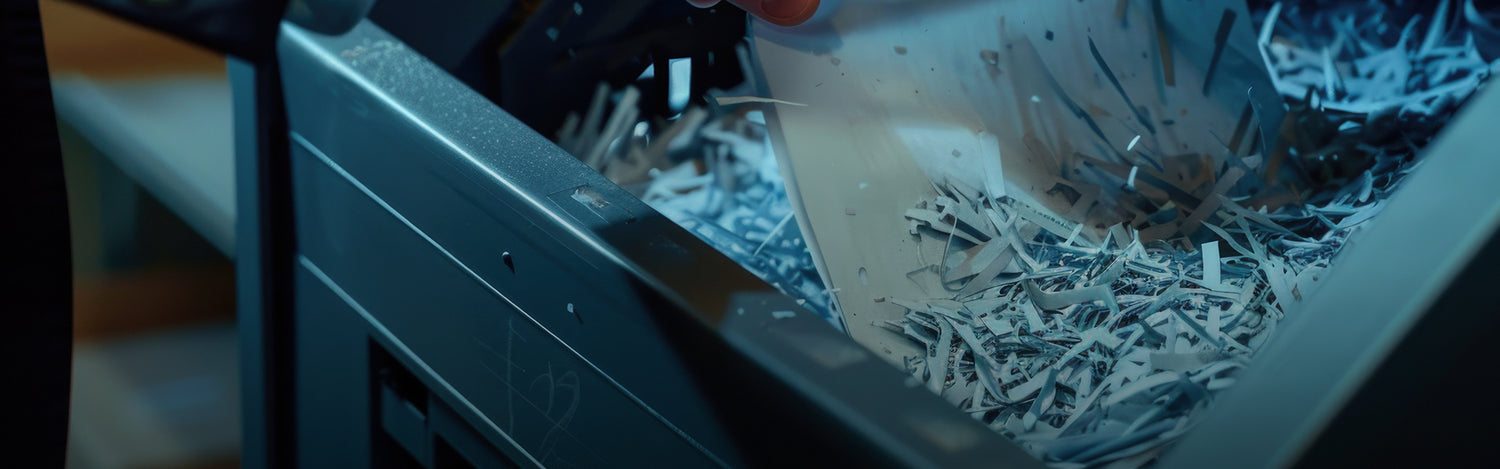
There are various methods of disposing of old records, but the most secure and efficient is using a commercial shredding machine. Shredding documents ensures that sensitive information is effectively destroyed and reduces the risk of unauthorized disclosure.
Another option is secure destruction services, which involve hiring a third-party company to destroy your records on your behalf. This option can be a cost-effective and convenient solution for many businesses.
Implementing a Records Management Plan
To stay organized and compliant, establish a records management plan that includes the following components:
- Clearly define the types of records your business should retain and the retention period for each. Check this plan against local and federal regulations to follow the law.
- Set a schedule for periodic review and purge of old records.
- Train employees on properly handling sensitive information and records retention.
- Employ secure methods for disposing of old records, such as using a commercial shredding machine.
Knowing when it’s time to destroy your business’s records is essential for maintaining privacy, security, and legal compliance. By adhering to retention guidelines, implementing a records management plan, and employing secure disposal methods, your organization can confidently navigate the complex world of records management.