
Medical identity theft occurs when someone uses another person’s personal information to obtain healthcare services, prescription medications, or insurance benefits. Fraudulent activity leaves victims with additional bills and inaccurate medical records that complicate future treatment. Fortunately, recognizing suspicious activity and safeguarding sensitive information can help prevent medical identity theft before it results in serious consequences.
How Medical Identity Theft Happens
Criminals obtain medical information through stolen insurance cards, fraudulent phone calls, data breaches, and improperly discarded paperwork. Once they acquire identifying details, they are able to impersonate patients to receive treatment or submit fraudulent insurance claims.
Healthcare facilities face additional risks because employees regularly handle documents containing patient information. Without access restrictions and careful disposal procedures, sensitive records could reach unauthorized individuals who exploit the information for financial gain.
Recognizing the Warning Signs
Fraudulent medical activity isn’t always immediately apparent. Patients frequently discover suspicious charges when reviewing insurance statements or receiving unexpected correspondence from healthcare providers. Pay particular attention to unfamiliar medical appointments, prescription charges, and insurance claims that don’t match treatment history.
Medical identity theft also threatens patient safety. If someone obtains treatment under another person’s identity, their medical history could mix together with the victim’s records. Inaccurate information about diagnoses or medications is likely to influence future treatment decisions.
Protecting Personal Medical Information
Preventing identity theft begins with controlling access to sensitive information. Store insurance cards and medical paperwork in secure locations, and avoid sharing identifying details through unsolicited phone calls or emails. When communicating with healthcare organizations, verify their identity through official contact information.
Additionally, review insurance statements after appointments to confirm that each claim reflects the services received. Patients who discover suspicious activity should promptly contact their insurance provider and request copies of their medical records to identify potential inaccuracies.
Destroying Medical Documents Securely
Printed paperwork presents a security risk when organizations discard sensitive information without adequate destruction procedures. Medical histories, billing statements, and patient registration forms frequently contain identifying details that criminals could exploit.
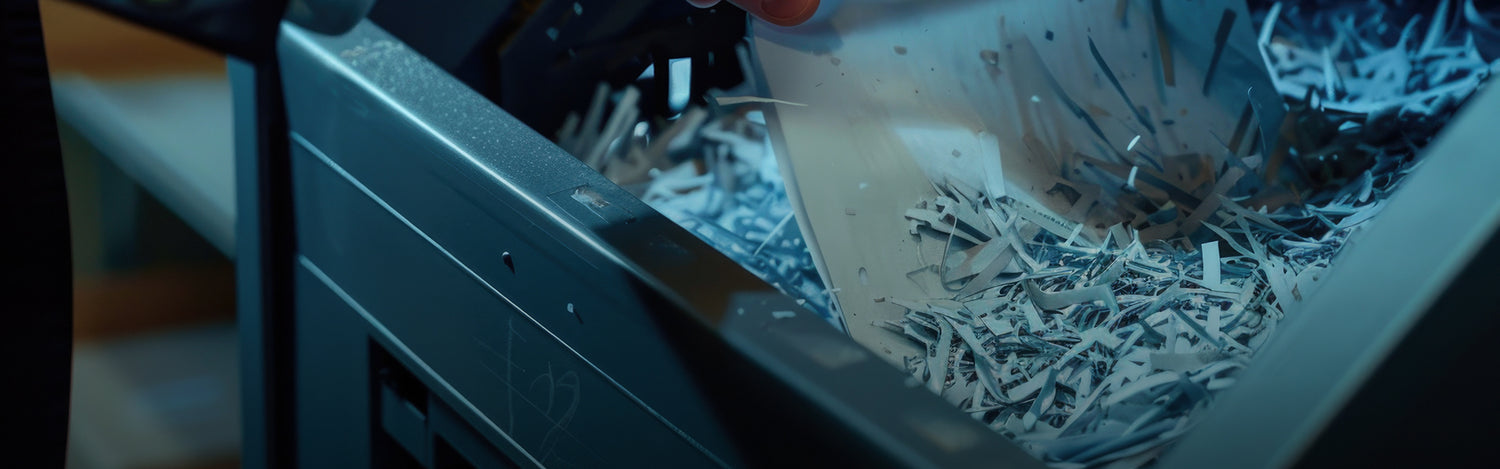
Shredding equipment physically destroys documents, reducing opportunities for unauthorized access. Healthcare facilities should select equipment according to their document volume and security requirements. High-security crosscut models produce extremely small particles, providing substantial protection when destroying confidential records.
Strengthen Medical Information Security
Maintaining secure document disposal practices is an essential part of stopping medical identity theft. Healthcare organizations must establish consistent destruction procedures to prevent confidential paperwork from reaching unauthorized individuals.
Capital Shredder offers NSA-approved shredders designed for high-security document destruction. Explore the company’s shredding equipment to strengthen information protection throughout your healthcare facility.