
Companies rely on proprietary information to protect ideas and strategies. Misplacing or failing to protect these valuable files can expose internal details to people who have no business seeing them.
Strong proprietary information security depends on consistent controls across the entire information lifecycle. Companies that define those controls clearly reduce opportunities for accidental disclosure and unauthorized access.
Classify Sensitive Information Clearly
Effective protection starts with knowing which information belongs under tight controls. Internal teams benefit from defined categories for materials such as product designs, research records, pricing strategies, internal procedures, and confidential business plans.
Classification guides employees on how to store, share, and destroy each type of information. Labels or internal handling rules reduce uncertainty when a document moves between departments. When employees recognize a file’s sensitivity immediately, they’re less likely to leave it exposed or send it through an unsecured channel.
Limit Access to Defined Roles
Not every employee requires access to every proprietary record. Role-based permissions restrict sensitive information to the people whose responsibilities depend on it, reducing unnecessary exposure across the company.
Digital permissions should match job duties, and physical records deserve the same discipline. Locked storage areas, controlled file rooms, and sign-out procedures help teams track sensitive paper records. Periodic access reviews align permissions when employees change roles or leave the organization.
Secure Paper During Handling
Printed information creates risk whenever employees move it between printers, desks, meeting rooms, and storage areas. A thorough handling policy gives staff a consistent process for managing documents from the moment they leave the printer.
Teams should retrieve sensitive printouts promptly and avoid leaving proprietary records in shared workspaces. Designated storage locations keep active files protected between uses. Once documents reach the end of their retention period, employees need to place them directly into the approved destruction process. Placing sensitive documents in ordinary recycling or trash containers puts the information at risk of theft.
Reinforce Security Through Employee Training
Policies protect information most effectively when employees understand the reasoning behind them. Training explains how proprietary materials move through the organization and identifies common points where exposure occurs.
Refreshers keep procedures familiar as teams, technology, and responsibilities change. Managers can reinforce the same expectations across departments, so employees receive consistent direction about access, handling, storage, and destruction.
Establish a Reliable Destruction Process
Discarding a proprietary document doesn’t remove the information printed on it. Companies need a destruction method that matches the sensitivity and volume of the material entering the disposal stream.
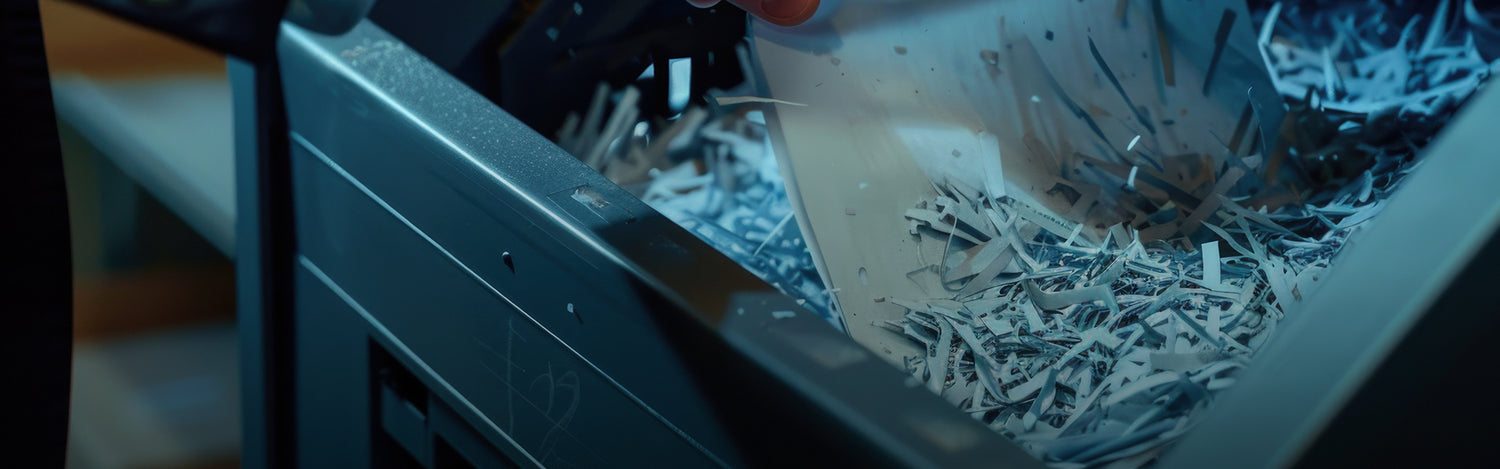
Selection criteria include required particle size, expected workload, and the type of material being destroyed. A busy department processing large batches benefits from a high-volume paper shredder that repeatedly destroys documents without creating a backlog. Centralizing approved destruction equipment can make secure disposal easier to incorporate into established workflows.
Strengthen Proprietary Information Protection
Proprietary information security becomes more dependable when document destruction receives the same planning as access and storage. A consistent disposal process closes a vulnerable point in the information lifecycle without complicating routine operations.
Capital Shredder offers high-security, high-volume shredding equipment for organizations with various document destruction requirements. Review the available shredding solutions to choose equipment that fits your company’s security standards and workload.