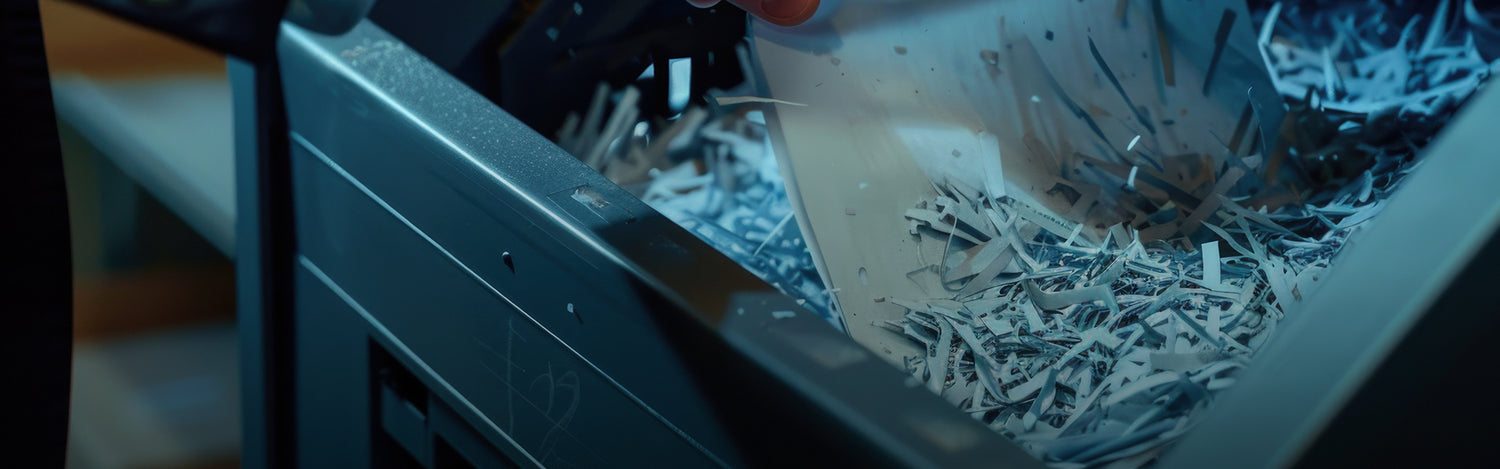

Industrial shredders keep sensitive information secure, but they don’t operate without intervention. Busy offices can rush through the disposal process, leading to equipment jams or even safety hazards. Identifying the common mistakes workers make when operating industrial shredders helps maintain a safe workplace and extends the lifespan of your valuable equipment.
Overloading the Feed Opening
Forcing too much paper into the machine at once is counterproductive. While high-capacity models can handle anywhere from 20 to 30 sheets, every machine has a limit that you must respect.
Exceeding this limit strains the cutting mechanism and motor. It’s always more efficient to feed small stacks rather than risking a paper jam by inserting a thick pile of paper.
Feeding Prohibited Materials
Many office workers assume that a shredder can destroy anything that fits into the slot, but this misconception leads to severe damage. Standard office shredders are generally built for paper, and sometimes staples or paper clips, but they cannot handle hard plastics, large metal binder clips, or adhesive labels. Feeding these items into the blades can dull the cutting heads or strip the gears. Always check the manufacturer’s guidelines before shredding anything other than documents.
Neglecting Regular Oiling
Like any machine with moving parts, an industrial document shredder requires consistent oiling to run smoothly. The cutting cylinders generate friction and heat during operation, which eventually dries out the mechanism and increases the load on the motor. You should oil the shredder regularly, especially after periods of heavy use, to keep the blades producing clean cuts. Skipping this maintenance step leads to noisy operation, slow shredding speeds, and, eventually, mechanical failure.
Ignoring the Waste Bin
It’s easy to forget about the waste bin underneath the shredder until it’s overflowing. When the bin gets too full, shredded paper backs up into the cutting assembly, which creates a messy jam that’s difficult to clear. The pressure can also damage the cutting block.
Check the bin level frequently. Empty it before the paper reaches the cutting mechanism.
Forcing Materials Through Jams
When a shredder jams, the natural instinct for many is to toggle between forward and reverse rapidly or to pull on the paper forcefully. An aggressive approach worsens the problem by stripping gears or burning out the motor.
If a jam occurs, reverse the blades slowly and remove the excess paper gently. Patience during a jam prevents a minor inconvenience from turning into a costly repair bill.
Avoiding these operational errors ensures your office data remains secure without unnecessary interruptions or equipment costs. By training staff on the mistakes workers make when operating industrial shredders, you protect your investment and keep your daily operations running efficiently.